
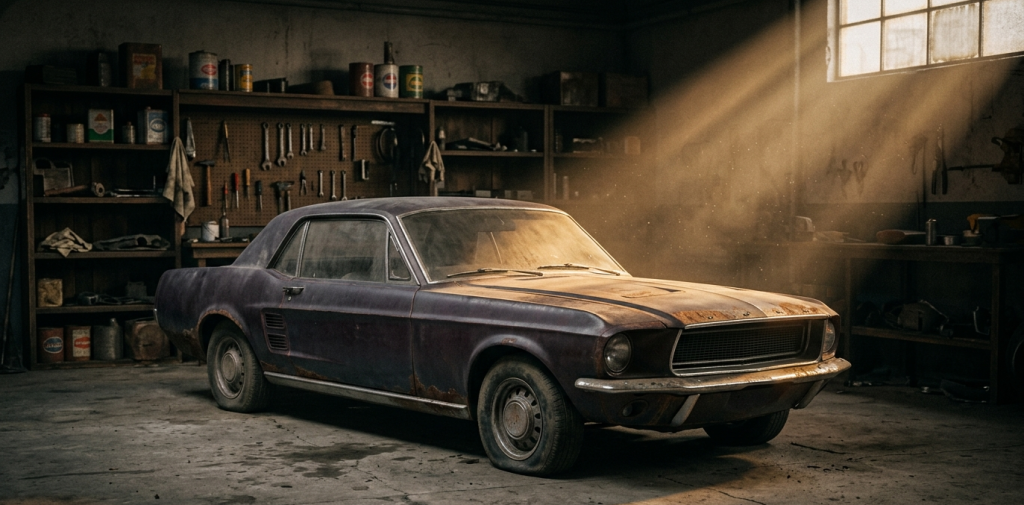
Every classic car has a story. It can be the car that you rode in as a kid, the one that was passed down to you, or the model you have always wanted to have. The sight of it in that condition, paint that has lost its gloss, some rust here and there, and metal that has lost its strength, can easily lead to the big question: Should I restore the car, or take on more than I can chew?
Restoring a classic car can be very rewarding, and at the same time, it can also take a lot of time, be complicated, and quite often be much more costly than people think.
This guide will help you to balance emotions with budget and resale value. We will define what car restoration services really mean, what costs you can expect in Australia, and how to determine what level of work actually fits your situation.
What “Restoration” Really Means
- The lightest version of it is a cosmetic tidy-up. This usually involves the painting of the car, fixing its trims, and removing the little rust spots. The process is more about making the car visually appealing again without taking it apart.
- Next comes a partial restoration, which goes a bit more into the cut; it usually encompasses bodywork repairs, painting, and upholstering, but a good number of original parts are retained. This is an option often chosen by owners who would like to have a reliable and good-looking car for weekend cruising without spending on a full rebirth of the car.
- Then lies the full nut-and-bolt restoration. The process of stripping the car down to a bare shell, rebuilding the mechanism, replacing the wiring, and completely redoing the interior is done. Although it is the most expensive route, it brings you the closest to an “as-new” finish.
The deeper the car restoration process goes, the higher the cost, but the better the quality of the result. Our major concern at GIA Smash Repairs is the body: rust repairs, structural integrity, and paint finish. This is often with the help of aligned, trusted mechanical specialists when required.
Questions to Ask Before You Start
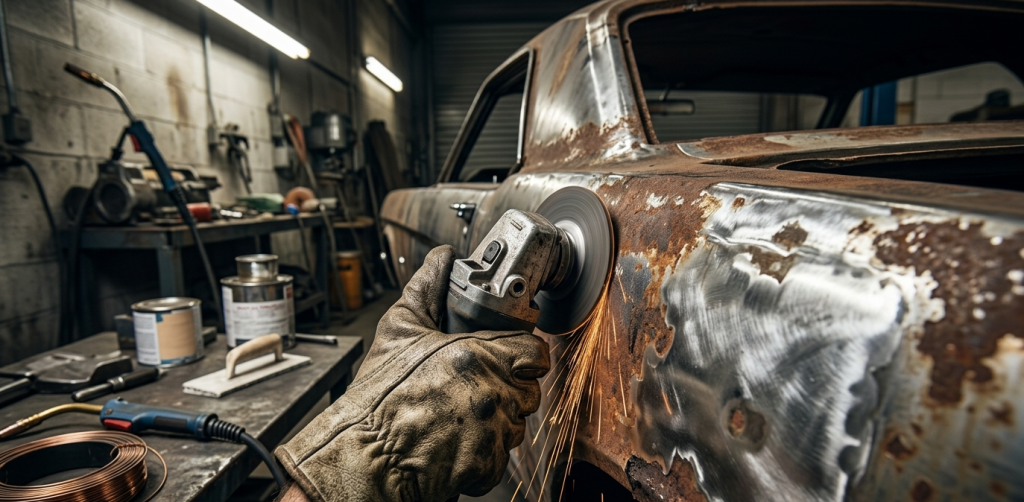
Before you start the restoration, it is a good idea to think about it and take a step back. Getting really clear about some of the basics early on can save you a lot of money, time, and frustration afterwards.
- What’s the car, really? Is it a common classic that you can see in most shows, like an old Aussie or Japanese model, or something really rare? Some cars are worth a big spend, while others are better to enjoy without going over the top.
- What are you planning to do with it? A show car, a neat weekend cruiser, a daily driver with character, or something to restore and then sell? Don’t be afraid to tell the truth here, your end goal will determine the whole project’s atmosphere.
- What’s the real budget and timeline? Restoring a classic car is never an overnight job. They usually take several months, not weeks, and a project’s cost may rise once it’s underway.
- How good is the car under the skin? Rust, the after-effects of an accident, or previous repairs done badly, can transform a desired project into a money pit.
Answers that are straight to the point will help to decide if it is a light refresh, a staged restoration, or a full rebuild that is the right one.
Cost vs Value: When Restoration Makes Financial Sense
Numbers alone, not just feelings, show the greatest advantage of restoration. Along with the general car-demand in the market, certain cars will still be in huge demand, mainly the most desirable models with strong enthusiasts following. If your car is amongst the very few people who always want it, then a proper restoration will most likely be considered the right investment.
Provenance also plays a significant role. Matching numbers, original driveline, factory options, or rare trim and colour combinations can tremendously increase the value of a car that has been restored. These are the kinds of details that buyers are looking for when they are spending top dollar.
It never hurts to get more informed on what exactly you are going to spend big time on. Investigate today’s market prices for fully restored examples and compare them with partially restored ones or genuine “barn finds.” The gap that you found gives you a realistic view of how far you can go with the price.
A top-quality restoration, even if it may not get you every dollar back, can safeguard and in many instances, increase the car’s value when compared to letting it slowly decay.
Now, the other side? Some very common or low-value models simply do not warrant a full rebuild. In such situations, they are often best appreciated as tidy drivers with slight cosmetic enhancements rather than costly, ground-up restorations.
The Hidden Surprises of Restoration
When it comes to classic automobiles, restorations will always bring out a few surprises, no matter how good the car looks on the outside. The most common reason for them is rust. It usually appears in areas that are not visible daily, such as sills, floor pans, pillars, and boot, even when the paint looks fine.
Another major factor is the old accident repairs. We often come across thick filler layers, poorly welded patches, or panels that were never lined up properly in the first place. Moreover, many classics have gone through changes over the years, with wiring or structural changes that were okay at that time but won’t meet today’s standards.
Therefore, it is wise to keep some extra cash in your budget. The extra work is practically a part of the process. Just like that, choosing a workshop that explains to you what has been found before proceeding is equally important.
Addressing these problem areas the right way while the car is still in pieces prevents safety concerns and much bigger repair bills later on.
How GIA Can Help Bring a Classic Back to Life
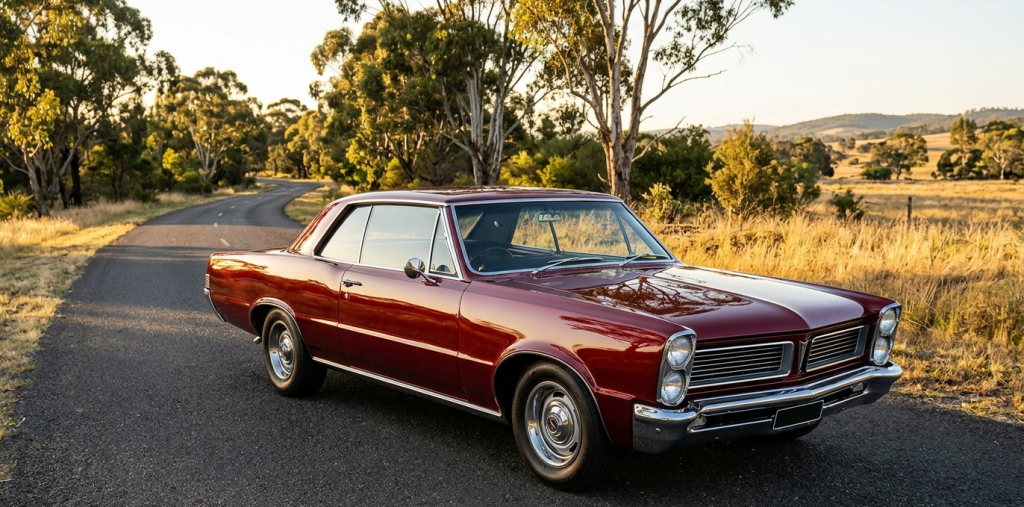
At GIA Smash Repairs, we realise the restoration of a classic car is not just an ordinary task; it is a matter of personal involvement.
This begins with the proper body straightening and the precise panel alignment so that the doors, guards and bonnets are sitting exactly the way they should.
In addition, we are also engaged in rust cutting, fabrication and welding. We do not cover up the problem,s but we do the opposite as the affected metal is removed, and after that it is replaced correctly so the structure is not only sound but also built to last. When it is time for the paint, we offer high-quality resprays, whether that be a factory-correct colour or a custom finish to match your vision.
Details are very important. We consider the panel gaps, reflections and the long-term durability of the finish, not just the aesthetics on the first day. The most fantastic thing is that work can be staged. A lot of owners start with the rust and structural repairs, then paint and detailing when they are ready.
Making Your Decision: Restore, Refresh, or Sell?
A complete restoration will be worth your investment only if the car is rare, sentimental, or high-value, and you are going to keep it for a long time.
Most owners can benefit from a smart refresh. Dealing with rust, repainting the whole car with a different shade, and cleaning up the fittings can produce a great weekend car without making a huge dent in the wallet.
If the car is badly rusted, or the repairs will exceed the car’s value by a wide margin, it’s definitely better to realise it early on rather than getting into a money-draining battle.
If you have no idea what to do, arrange an inspection at GIA Smash Repairs. Drive your classic in, take a proper stroll around with us, and we will assist you in outlining a realistic, staged plan and cost estimate that matches your goals and budget.