
The smash repair business is at a crossroads as we conquer 2025 and 2026. The most crucial decision in quality collision repair is whether to use authentic parts. This ruling has never been more critical, as vehicles become more advanced and the expectations for proper repair increase. With the changing nature of the automotive world, with electric cars, sophisticated driver assistance systems, and sophisticated materials, the importance of genuine parts in ensuring the integrity of the vehicle has gained top priority.
The Function of Genuine Parts in Smash Repairs
Genuine components, also referred to as OEM (Original Equipment Manufacturer) parts, are components manufactured by the same manufacturer that manufactured the vehicle. These components are manufactured to the factory’s exact specifications and match the original element for every detail. Conversely, third parties produce aftermarket parts that might not be of the same quality, fitment, or material.
The benefits of authentic parts go well beyond mere replacement. The foremost aspect will be quality assurance; every authentic component will be thoroughly tested and conform to the manufacturer’s standards to fit perfectly with no gaps or misplacement that can mar the alternatives. Longevity is another vital advantage, with fundamental components designed to withstand the vehicle’s anticipated life using materials that withstand years of use.
Above all, genuine parts directly affect the vehicle’s safety and performance. In the day and age when cars incorporate sophisticated safety systems, such as collision-avoidance and structural crash management systems, it is necessary to use parts that meet the original specifications. An authentic bumper reinforcement, such as the one shown, is designed to act as a buffer against impact forces in specific areas, helping secure citizens during a collision.
Recent Tendencies that Shape the Use of Genuine Parts
Carmakers make modern vehicles, computers on wheels, and all of these work together; that is, sensors, cameras, radar systems, and materials are present. Parking sensors, adaptive cruise control radar, pedestrian detector systems and well-thought-out crumple zones are present in the front bumper today. Replacing these parts with anything other than authentic parts will jeopardise the complex network of technologies that ensure vehicle safety.
High-strength steel, aluminium alloys, and special plastics are advanced materials, each with its own repair procedures and replacement options. Authentic components guarantee material compatibility and structural integrity that generic brands cannot.
Even in 2025-26, global supply chain issues continue to affect parts availability and costs, putting pressure on repair shops to find alternatives. Nevertheless, progressive plants are evolving by improving inventory control and building stronger relationships with OEM suppliers. Authentic parts networks usually offer superior-quality sourcing, robust tracking systems, and authenticity, unlike discerning aftermarket channels.
The Effect of Electric Cars
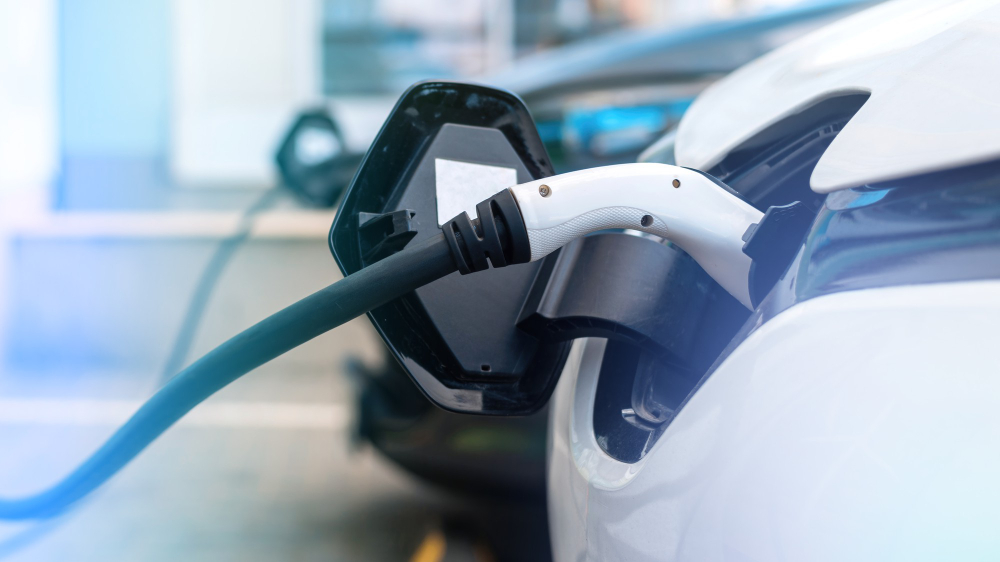
Electric vehicles have moved out of novelty and into the mainstream at an incredible rate, and it is an impressive, expanding segment of cars entering repair shops. EVs present different considerations: high-voltage battery systems, electric motors, power electronics, and thermal management systems are entirely different from traditional powertrains.
The need for OEM parts is even stronger with electric vehicles. The battery enclosures, high-voltage wiring harnesses, and structural parts used to safeguard the battery packs should be to precise specifications. The effects of utilising inferior components would range from low performance to severe threats to health. The construction and design of many EV manufacturers have incorporated a structural and electrical system so sensitive that repairs require authentic components, leaving only the authentic component as the safe and effective option.
Repair Techniques Innovations
Along with the technological revolution that is being felt in the smash repair industry, there is an increase in both the necessity and effectiveness of genuine parts. Even the most modern diagnostic equipment can now be connected to vehicle systems, read fault codes, calibrate sensors, and even verify that repairs are done to the exact factory dimensions, which can expose when non-authentic parts cause alignment problems or structural deformities.
The use of automation is extensively penetrating collision repair. Robotic welding systems deliver a high level of consistency in structural repair, surpassing manual work and commonly programmable to match accurate part specifications. Damage measurement, repair design, and quality management. Artificial intelligence is used to assist repair shops in making decisions about parts selection. These inventions form a system in which authentic components and sophisticated repair methods complement each other.
Consumer Preferences and Regulatory Changes
The regulatory world is becoming increasingly concerned with the quality of repairs and the authenticity of parts. The safety standards are setting more stringent conditions for collision repair, especially for high-safety vehicles. Environmental laws also contribute, as the government demands a more considerable service life of cars and decreased waste – objectives that coincide with the longevity of authentic components.
There is also a significant change in practices in the insurance industry. In view of the long-term cost of poor repair, some insurers are modifying their policies to prefer or require the use of authentic parts for certain repairs. OEM parts are also being promoted as a selling feature in premium insurance products, an increasing trend that suggests genuine parts lower overall repair bills over the lifetime of the vehicle.
The modern-day car owners are now more enlightened than ever. Availability of information has produced consumers who are aware of the distinction between original and counterfeit parts. Consumers are becoming increasingly concerned about their vehicles as investments that deserve quality care, thereby inclining them to use genuine parts that do not compromise the integrity and value of their cars. The level of transparency has emerged as a critical requirement, as vehicle owners want to understand which parts are used to repair their cars and how they relate to original parts.
Challenges Ahead
The brand image of authentic components as unaffordable remains a significant issue. Although fundamental components usually have higher initial values, the price difference does not usually represent the overall value equation. Quality parts minimise the risk of repeat repairs, fit the first time, and have a longer lifespan. It is still critical to educate consumers, insurers, and repair professionals about this value proposition, particularly amid economic pressures and concerns about the cost of living in 2025-26.
Getting authentic parts is not always easy. Newer parts, especially electric-car parts and luxury brands, may have long lead times. This availability issue strains the need to replace aftermarket parts to fix the vehicle sooner. To solve these problems, it is necessary to collaborate with the entire industry: manufacturers to improve the supply chain for parts, and repair shops to use better forecasting and inventory control.
Conclusion
With smash repair one of the industries that has had to plough through 2025-26, the significance of authentic parts has never been more pronounced. Various factors, including the complexity of vehicles, the adoption of electric vehicles, emerging technologies for car repair, and changing consumer demands, have created a situation in which quality parts are no longer a luxury but a necessity.
Authentic components are the basis for repairs that actually return vehicles to their pre-accident state of operation, with safety systems preserved, structural integrity maintained, and long-term viability ensured. Even though issues related to cost and supply remain, the industry trend is to emphasise more on the value of authentic parts.
That is why the future of the smash repair industry will be determined by those who practice quality, transparency, and the intelligent use of authentic parts as vehicles and repair technologies continue to evolve. In this future, premium components are not an option; it is professional.